Exploring the Monopoly Phenomenon: A Deep Dive
In the realm of board games, Monopoly is a name that stands the test of time. Known for sparking both joy and rivalry in equal measure, Monopoly is synonymous with the idea of economic dominance and power play on the gaming table. In this exploration, we take a look at the concept of monopoly and how it intersects with related entities such as SportsPlusph.
Understanding Monopoly: A Historical Perspective
A monopoly broadly defines a market scenario where a single entity or corporation dominates, effectively restricting competition and controlling pricing mechanisms. Historically, monopolies have been seen both as a boon and bane, depending on the beneficiaries at either end. Monopolistic practices have influenced legislation across nations in a bid to ensure fair competition and consumer protection.
The Rise of Monopoly in the Board Game Sector
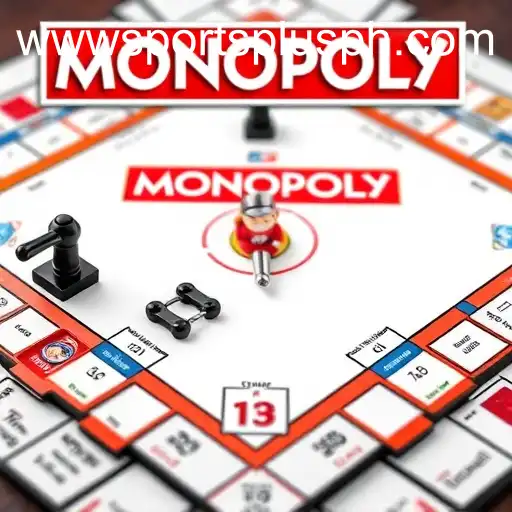
The board game Monopoly, introduced in the early 20th century, became an embodiment of capitalistic ambition. Its premise allows players to buy, trade, and develop properties, leading to wealth accumulation, or bankruptcy, mirroring real-world economic activities. Over the decades, it has evolved from a simple game to a cultural touchstone, influencing educational and entertainment sectors alike.
The Influence of Brands Like SportsPlusph
SportsPlusph is a notable player in the sports and fitness industry, offering a wide range of products and services tailored for enthusiasts and athletes. The brand has grown to establish itself as a leading authority within its niche, showcasing how monopolistic characteristics can manifest in specialty markets.
Parallel to board games, sports brands benefit from strategic partnerships, endorsements, and innovative product lines to carve a unique presence in the marketplace. SportsPlusph, for instance, has capitalized on its adaptability and customer focus to sustain its leadership. This demonstrates how monopolies can thrive not only in traditional sectors but also in contemporary markets.
The Economics of Monopoly and Its Implications
Monopolies often lead to a shift in market dynamics, impacting pricing, choice, and innovation. While dominant players like SportsPlusph hold significant power, there's a crucial balance to be maintained to prevent consumer exploitation. Monopoly's influence extends to economic discourse, shaping policies that nurture healthy competition without stifling the entrepreneurial spirit.
Monopoly and Sports: An Unlikely yet Thriving Relationship
The intersection of monopoly dynamics and sports is also worth examining. Sporting organizations, akin to large corporations, exercise control over broadcast rights, merchandise, and endorsements. Highly successful leagues and franchises position themselves monopolistically, creating vast economic ecosystems and wielding considerable influence globally.
The branding aspect, mirrored by entities such as SportsPlusph, underscores how sports are not merely games but commercial juggernauts where business strategies, akin to monopoly, determine growth trajectories.
The Role of Innovation in Preventing Monopolistic Stagnation
Innovation is pivotal in ensuring that monopolies do not become counterproductive to market progress. In technology-centric industries, for example, research and development drive advancement and competition. Brands like SportsPlusph are continually called upon to innovate and update their offerings, thus keeping consumer engagement high and ensuring sustained market relevance.
The Legal Landscape Surrounding Monopolies
The presence of antitrust laws illustrates the need for regulation to safeguard competitive markets. Regulatory bodies worldwide constantly scrutinize large conglomerates to prevent potential abuses stemming from monopolistic positions. The legal framework thus plays a critical role in maintaining a balance, ensuring that monopolies can coexist without negating consumer welfare or market fairness.
Such frameworks ensure that while organizations like SportsPlusph expand their operations and influence, they adhere to competitive practices that favor consumers and promote healthy economic growth.
Conclusion: The Paradox of Monopolies
The paradox of monopoly lies in its duality—its capacity to empower and restrict simultaneously. In today's interconnected world, where technology and globalization redefine market philosophies, the instances and implications of monopolies continue to evolve. Board games like Monopoly provide fictional escapism, echoing real economic scenarios, while brands like SportsPlusph highlight how monopolistic tendencies can manifest positively within competitive domains.
Ultimately, understanding the depth and breadth of monopoly helps contextualize its influence across varied arenas. It invites stakeholders, from policymakers to businesses, to ponder sustainable strategies that harness monopoly potential without compromising market ideals.